The Thirty-Second Check That Saves Christmas Morning
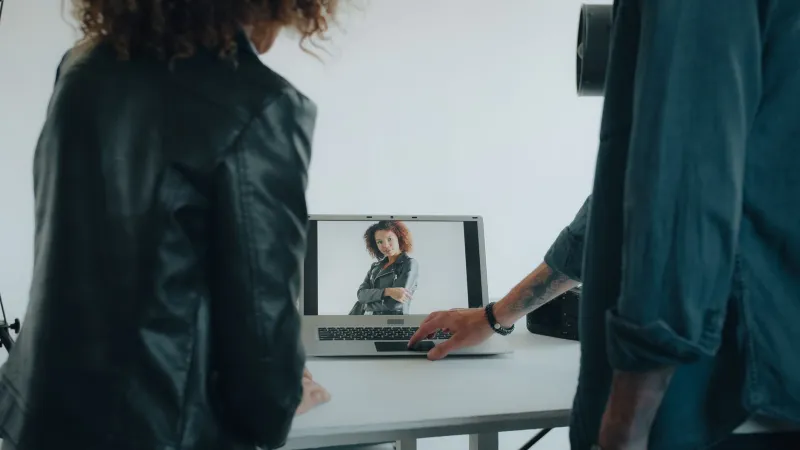
There is a quiet little moment in every personalised order when the customer is shown exactly what will be engraved, printed, stitched or painted, and asked to say yes. It usually arrives as a link or an attachment, often while the buyer is on the bus, stirring a pan or half-watching television. Makers call it proof approval. Shoppers tend to call it another box to tick.
That tiny click carries a surprising amount of weight. Once the preview is approved, the name is set, the date is fixed and the machine is ready to go. With Christmas 2026 orders already stacking up in UK workshops, the approval screen is less of a formality and more of a final checkpoint.
The screen everyone clicks past
Personalised gift listings are built on trust. You choose a name, a date, a font, maybe a colour, and the site shows you a mock-up. By the time the proof lands in your inbox, you have already pictured the gift under the tree or on a birthday table. The preview feels like a confirmation of what you ordered, not a fresh decision.
Makers say the same thing in different ways: most people approve quickly, and most of those approvals are absolutely fine. But the small number that are not fine tend to be memorable. A missing accent. A date typed the American way round. A nickname where a full name was expected. A capital letter in the middle of a surname because someone held the shift key a beat too long.
None of these are disasters in themselves. They become disasters when they are discovered on Christmas morning, after the workshop has closed and the wrapping paper is already in a bin bag.
Three near-misses makers still remember
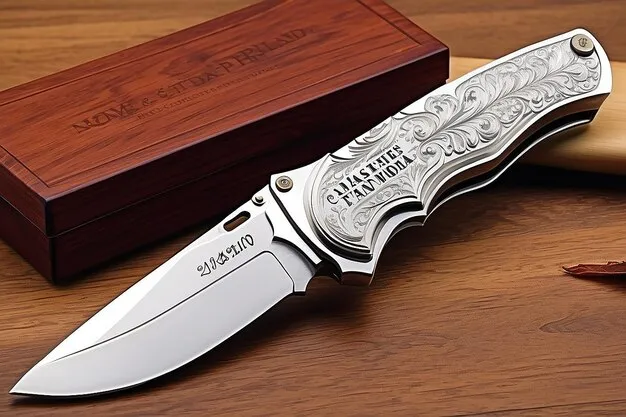
A Kent-based engraver describes a proof for a silver bracelet that came back approved with the name Amelia. The buyer had meant Amelie. One letter, one very different name, and a conversation that began with a polite email and ended with a remake. The maker now reads every approved name aloud before the laser starts, partly to catch typos and partly because saying it makes the brain pay attention.
A ceramicist in Glasgow remembers a bauble proof with a date written as 12.24. The customer meant 24 December. The maker had assumed an American-style month-first format, and the customer had assumed everyone would read it as day first. It was caught at the eleventh hour, but only because the buyer's sister happened to see the proof open on a kitchen table.
A Bristol textile maker has a gentler tale. A customer approved a stocking with a child's nickname, then rang in a panic because the grandparent receiving it had never used that name and would not recognise it. The maker changed the order before the embroidery frame was set up. It cost nothing but a phone call. Not every near-miss ends so neatly.
Why we skim, and why it is not laziness
It is easy to blame the shopper, but the approval screen is fighting for attention in a busy month. Previews are often opened on a phone, in a small font, with the relevant name buried in a paragraph of order details. Decision fatigue is real: by the time you have chosen the gift, paid for it and worked out delivery, checking every letter again can feel like one task too many.
There is also the trust factor. We assume the maker will notice if something is obviously wrong. We assume our own memory is reliable. We assume that because we typed the name carefully at checkout, it must have stayed careful all the way through. In reality, the preview is the last chance for a human to spot a problem before it becomes permanent.
What careful makers do to slow the click
Good personalised gift businesses do not rely on a single approve button. Many now send the proof as a separate step, after the order has been placed, with a clear instruction to reply by email to confirm. That extra bit of friction feels old-fashioned, but it works. It turns a reflex click into a deliberate answer.
Others show the personalisation in a large, plain font, with the rest of the order details stripped away. Some highlight the exact letters or numbers that will be engraved. A few ring customers when the request is unusual, such as a date that could be read two ways or a name with an apostrophe. It is not about being difficult. It is about avoiding the awkward email that begins: I am so sorry, but I have just noticed.
A five-point check before you approve
First, read the personalisation aloud. Names, dates and short messages all sound different when spoken, and a mistake that hides on a screen often jumps out when it is said out loud.
Second, check the date format. In the UK we usually write the day before the month, but previews can be less clear. If the date matters, confirm it in words as well as numbers.
Third, compare the spelling against something reliable. For a child's name, that might be a birth announcement or a message from the parent. For a wedding date, check the invitation. Do not rely on memory alone.
Fourth, look at the layout. Check line breaks, capital letters, punctuation and whether the name sits where you expected it to. A preview can be technically correct and still look wrong once it is made.
Fifth, ask someone else to glanceat it. A partner, a friend or a colleague will often spot the missing letter you have read past three times. If the gift is a surprise, choose someone who can keep quiet.
When it does go wrong
Sometimes the preview is approved, the gift is made and the mistake is only spotted later. In the UK, personalised or bespoke items can be exempt from the standard 14-day cancellation right under consumer law, so the preview stage really does matter. That does not mean every maker will wash their hands of a problem. Many will offer a remake at cost, a discount or a repair, especially if the error is partly theirs. The important thing is to get in touch quickly, keep the order emails and explain what happened without waiting until Christmas Eve.
The Christmas morning test
Before you approve any personalised gift this year, try a simple test: imagine the parcel being opened on Christmas morning, in front of the person it is for. If the name, date or message were wrong, would it matter? If the answer is yes, take another thirty seconds. Read it again. Zoom in. Ask someone else. The maker on the other side of the screen is not trying to be awkward. They are trying to make sure the thing you ordered is the thing you actually want.
And if you are ordering for Christmas 2026, do it early, check the preview properly and keep the confirmation email somewhere sensible. Future you, standing in a kitchen on 25 December, will be grateful.