Stalls, Stitches and Sticky Buns: Why UK Shoppers Are Heading Back to the Village Hall

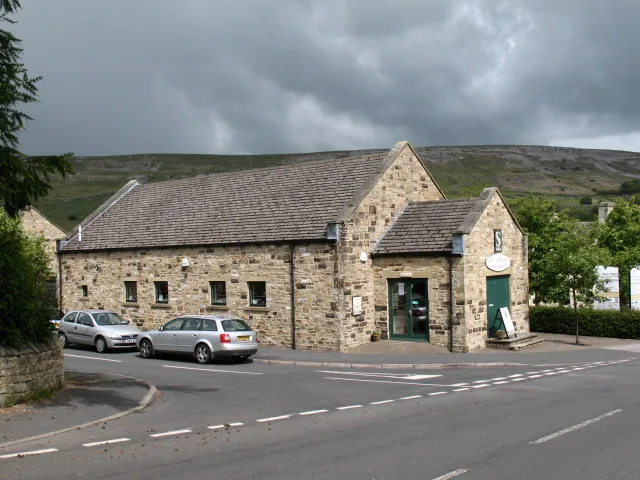
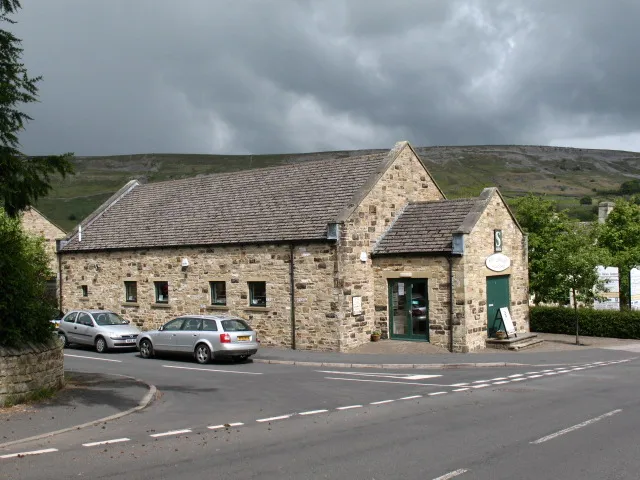
Photo: Geographer , CC BY-SA 2.0, via Wikimedia Commons
There is a particular smell to a winter craft fair: floor polish, brewing tea, and someone's homemade mincemeat warming through the serving hatch. If you have not stood in a church hall on a damp Saturday in November recently, you may have missed the fact that the queue now goes out the door.
Something has shifted in 2026. Ask around the circuit — the Methodist hall in a Yorkshire mill town, the scout hut in Somerset, the school gym in Norfolk — and the same story comes back. Tables are being booked up in September for events in December, stallholders who once quit for a full-time online shop are back with a folding table and a card reader, and the shoppers arriving at 10am are not just grandparents hunting for knitted egg cosies.
When the online sums stopped working
Nobody is pretending the internet has stopped working. But the arithmetic of selling handmade on a big marketplace has become harder to defend. Between listing charges, transaction percentages, payment processing, promoted placements and the cost of postage that keeps climbing, a £28 crochet hare can end up netting its maker something closer to £17.
Then there is the visibility problem. Sellers describe spending an evening photographing a new batch of bowls, uploading them, and watching the listing sink without trace in under an hour. The fee is predictable; the attention is not.
A fair works on a different model. You pay £25 to £60 for a table, you turn up, and for five hours every person who walks past has already chosen to be in a room full of handmade things. That is a much kinder ratio of effort to eyeballs.
Profiling three makers who went back to the hall
Priya, Hebden Bridge — screen-printed textiles, six fairs this winter.
She left the marketplaces in 2024 after a run of chargebacks on cushion covers. Her first fair back was a Saturday in a Baptist hall with a leaking skylight. 'I sold out of tea towels by noon,' she says. 'Not because my product got better, but because people could pick one up, hold it against a jumper and see the colours properly on a gloomy day.'
Callum, Bristol — small-batch wooden spoons and boards.
His issue was returns. Wood grain varies, photographs flatten it, and a buyer expecting a dark walnut sometimes receives something golden. In person, he hands people three boards and lets them choose the grain pattern. His return rate at fairs, he reckons, is close to zero.
Mairi, just outside Inverness — hand-dyed wool and knit kits.
Mairi is candid about the other side of it. Winter travel in the Highlands is unpredictable, and a cancelled fair means a lost fee and a wasted tank of fuel. She now does fewer, better-organised events and skips anything where the organiser cannot tell her the layout, the footfall from previous years, or whether there will be hot food. 'Ask those questions before you hand over money,' she says. 'A good organiser is unbothered by them. A bad one gets defensive.'
The things you cannot do down a screen
Talk to a dozen shoppers and the same three words keep surfacing: texture, size and smell. You cannot assess whether a blanket will scratch, whether a mug is too heavy for your mum's grip, or whether the candle is going to smell like a charity shop by midweek.
There is also the appeal of a short, honest chain of supply. When you buy from the person who made the thing, you can ask where the yarn came from, whether the dye runs, and how to wash it. That conversation is worth more to a lot of buyers than a discounted delivery code.
And frankly, there is the day out. Coffee, a chat, a slice of something with icing on it, and a gift nobody else has given. In a year when most of us have spent too long scrolling, five hours of wandering between trestle tables feels almost restorative.
What a good fair looks like
Not every event deserves your Saturday. A well-run fair tends to have a few things in common:
- A mix of price points. Stalls under £10 alongside £80 statement pieces, so parents and grandparents can both shop.
- Room to move. Aisles crowded with prams and pushchairs are bad for browsers and worse for traders.
- Signage on the door. A board outside saying 'craft fair, £2 entry, refreshments in the annexe' saves everyone a guess.
- Makers who talk about process. If a stallholder can tell you how the item was made and what went wrong along the way, the work is likely their own.
- Cards and contact details. Someone building a customer list rather than just pushing stock.
One word of caution, gently offered: not everything on a table in a village hall is handmade by the person selling it. If the back of the stall looks like a wholesaler's inventory, or the designs match something you saw in a discount shop in August, ask a friendly question or two. Most genuine makers are delighted to explain.
Finding one near you this winter
Ignore the idea that you need a special app. Some of the best events are advertised on the least glamorous platforms available: a laminated poster in the Post Office, the parish magazine, a plastic banner on a railing outside a primary school, and yes, a local Facebook group with a name like 'Barrow Area Bargains and Events'.
Beyond that, try a few reliable hunting grounds:
- Parish, church and village hall noticeboards — updated weekly, no algorithm involved.
- The WI and Rotary local calendars, which often host or list winter fairs.
- School PTA newsletters, particularly in the first two weekends of December.
- Artists' open house trails in towns like Brighton, Sheffield and Hebden Bridge, usually running across several weekends.
- Local hashtags — searching your town plus 'craft fair' still works surprisingly well on Instagram in November.
Go early. The good stuff moves before lunch, and a stallholder who has just made their first sale of the day is a much more generous conversationalist.
How to buy well when you get there
Bring cash — not every stall has a card reader, and signal in a stone-walled hall can be a lottery. Ask about the return policy before you pay, particularly on clothing. Take a photo of anything you buy for someone else, plus the receipt, so a repeat size or replacement is possible. And if you fall in love with a maker's work but it is the wrong size or colour, get their card rather than walking away; most will happily take a commission in January, when the stalls are folded away and the hall is quiet again.
The revival of the craft fair is not nostalgia. It is shoppers being pragmatic: they want to know who made their present, and they would rather spend an afternoon doing that than an evening refreshing a tracking page.