Before the First Wash: How to Keep a Personalised Gift Looking Made-for-You
There is a quiet moment after the wrapping paper goes in the recycling bin. The tag is cut, the ribbon is coiled up, and a small care card slides off the table and behind the radiator. By January, the embroidered towel is in the wash, the engraved board is by the sink, and the printed glass is in the dishwasher because it looked sturdy enough. This is not a scolding. Personalised gifts are meant to be used. But a few small habits can stop a made-for-you present from turning into a slightly faded reminder of what it used to look like.
Start with the care card, not the sink
UK makers spend a surprising amount of time writing care notes. One embroiderer told me she now prints hers in bold because buyers were treating a decorated hand towel like a gym rag. Another woodworker includes a tiny tin of board wax with every engraved chopping board, mostly because he was tired of seeing beautiful oak come back dry and split. If your gift arrives with a card, read it before the first wash. If it does not, ask the maker. That is not being fussy. It is the same as checking whether a jumper can go in the tumble dryer.
Embroidered towels and linens: cool wash, less drama
Cotton and linen can take a fair amount, but the embroidery on top is the delicate part. Turn the item inside out, use a mesh laundry bag if you have one, and choose a cool or gently warm wash rather than a hot one. Go easy on fabric conditioner around stitched areas, and skip bleach altogether. Tumble drying on low is usually fine, but air drying is kinder. If you iron, press on the reverse or use a cloth over the stitching — a hot iron straight onto embroidery can flatten the design and leave a shine.
Hard water is a common culprit here. In areas with chalky water, towels can stiffen over time and stitching can look dull. A regular wash with the right amount of detergent, rather than extra powder, helps more than anything. If you are buying an embroidered gift for someone in a hard-water area, ask the maker whether they recommend a particular wash routine. It is a small question with a long afterlife.
Engraved chopping boards: oil, wait, repeat
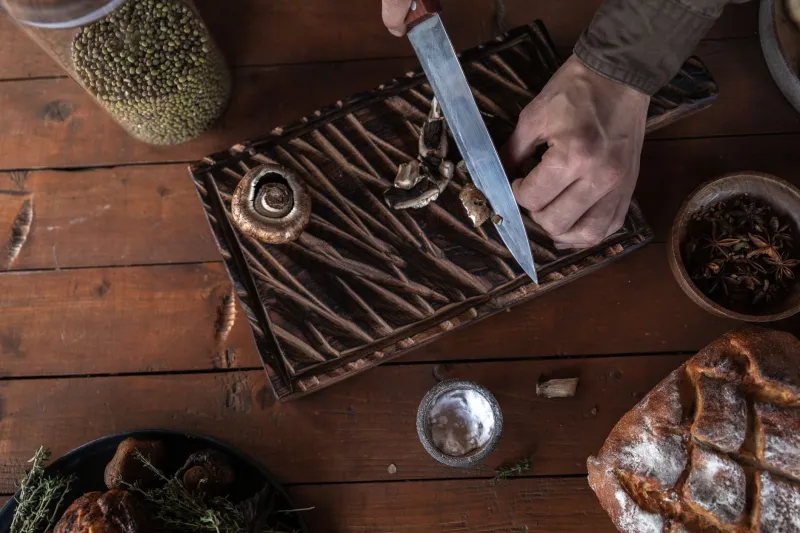
Wooden boards are not dishwasher material, even when the engraving looks deep and tough. Heat and long soaking dry out the timber, and an engraved groove can hold water if the board is left wet. Wash by hand, dry it upright, and let it air properly before putting it away. Every few weeks, depending on use, apply a food-safe mineral oil or a beeswax blend. Leave it overnight, wipe off any excess, and let the wood drink it in. That is the 'wax, wait' part. Rushing it just leaves a sticky board and a suspicious kitchen roll.
Keep boards away from radiators and direct sun. A warm spot feels harmless, but it can warp wood and open small cracks over time. If the board is decorative rather than for chopping, say so clearly when gifting — a personalised serving board used for cheese is one thing, a board used as a chopping block is another.
Printed glass and ceramics: avoid sudden shocks
Personalised glass is often printed or etched, and the finish is not always dishwasher-proof. Some makers will say it is fine on a low cycle; many will quietly beg you to hand wash. Follow their note. Avoid moving glass from a cold cupboard into hot water, or from a hot dishwasher onto a cold worktop — thermal shock can crack it. Use a soft sponge rather than a scouring pad, especially over printed areas.
Ceramics with metallic rims or delicate decoration should stay out of the microwave unless the maker confirms otherwise. Hard water can leave cloudy spots on glass, so dry it with a soft cloth rather than letting it air dry if you want it looking sharp for guests. None of this is difficult. It is just a slightly different rhythm from chucking everything in the machine.
Leather journals and accessories: condition, do not drown
Leather likes regular, light care. Wipe it with a barely damp cloth, keep it away from radiators, and condition sparingly — too much product can darken the finish and attract dust. Avoid hand sanitiser, perfume and household cleaners, which can mark the surface. If a leather journal gets wet, let it dry naturally away from heat. A hairdryer or radiator will speed up the damage, not the drying.
Debossed or foil-personalised leather needs the same treatment. Store journals flat or upright without squeezing them under heavy books. If the gift is a vegan leather alternative, ask the maker for their advice, because the care can be different. The personalisation may be the reason you bought it, but the material still sets the rules.
The three things makers see most
Dishwashers, radiators and hard water. That is the short version. Dishwashers are wonderful for plates and terrible for many personalised finishes. Radiators dry out wood, warp leather and cook the adhesive behind some printed designs. Hard water leaves its calling card on glass and fabrics, especially in areas where kettles fur up within a month. Direct sunlight is the fourth quiet offender, fading prints and drying leather over time.
What to ask before you order
If you are buying a personalised gift, ask the practical questions at the point of order: Is it dishwasher safe? Can it go in the microwave? How should the engraving be cleaned? Does it come with a care card? Can it be re-oiled or repaired? For a gift, ask the maker to pop the care note in the parcel rather than emailing it to you — the recipient is the one who needs it. If the item is going straight to someone else, a short handwritten note on the gift tag is a nice touch: 'Hand wash only — sorry, I know.'
A final word on actually using it
A personalised gift is not a museum piece. Towels should be used, boards should be oiled and used, journals should be scribbled in. The aim is not to keep everything pristine forever. It is to give the maker's work a fair chance. Read the card, ask the question, and skip the radiator. That is most of it.