Fair, Not Identical: Personalised Gifts for Blended UK Families
Blended families are not a niche. They are the everyday reality of stepfamilies, half-siblings and co-parenting households across the UK. Yet the gift aisle still tends to assume one surname, two parents and a neat set of four matching stockings. If you are shopping for a home where names, routines and histories differ, a personalised gift can either smooth the edges or quietly rub them raw. The trick is to aim for fair, not identical.
Start with the names, not the set
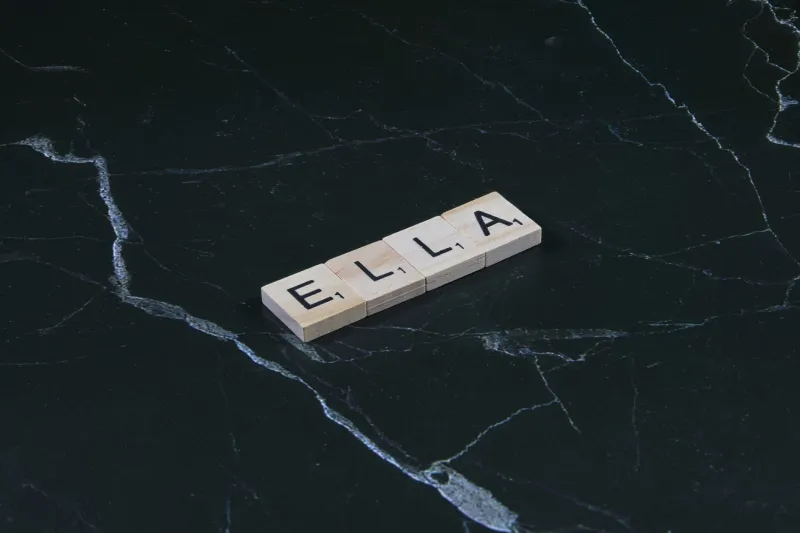
The first question a maker will ask is simple: whose name goes where? For a blended family, that can take longer than expected. You might have a stepchild who uses a different surname, a half-sibling born after the remarriage, or a co-parenting household where the children divide their week between two homes. UK makers who work with personalised gifts say the most common mistake is ordering a single item that assumes everyone shares a name.
‘I always ask whether the family wants one piece with several names or separate pieces that sit together,’ says one Kent-based woodworker. ‘A single sign that reads “The Smiths” can be lovely, but it can also make a child feel like a guest in their own home.’ Instead, consider a shelf of individual name plaques in the same finish, or a family calendar with columns for each child, whatever their surname. The set looks cohesive without pretending everyone is a clone.
Shared dates, separate diaries
Blended families often run on two calendars. Christmas might be split between two houses; birthdays can fall on contact weekends; school plays happen twice. Personalised gifts can help by marking the moments that matter to each child, not just the ones that suit the adults’ schedule.
A maker in Bristol told us she now asks customers to list ‘the dates that actually get celebrated’ before engraving anything. That might mean a personalised advent calendar with a pocket for each child, filled according to their own traditions. Or a photo frame dated with the day a step-parent officially moved in, rather than a wedding date that excludes older children. Shared dates are fine, but they should be shared by everyone the gift is for.
Fair but not identical
The hardest brief in any blended family is fairness. Children notice when one sibling gets a bigger present, a longer name engraved, or a more expensive finish. But identical gifts can feel impersonal, especially if one child is a teenager and the other is six.
Makers we spoke to recommended a simple rule: equal budget, different expression. A personalised bookplate can cost the same as a keyring but suit different ages. A family recipe book with a page for each child’s favourite meal feels equal without being a matching set. If you are commissioning a larger piece, such as a personalised height chart or a gallery wall of framed names, ask the maker to quote per child rather than per item. That way you can keep the spend level even if the formats vary.
It also helps to explain the logic to the children. ‘We chose different things because you are different people’ lands better than a defensive ‘but it cost the same’. The gift is not the point; the message is that everyone has a place.
What to tell the maker
Before you order, gather the details that make a blended family gift work:
- Correct spellings and preferred names, including nicknames if they are used on the gift.
- Which surname goes with which child, and whether any child uses a different name at school.
- Whether the gift is for one household or two. A co-parenting family might need two smaller pieces rather than one large one.
- Any dates that are sensitive. A wedding anniversary engraved on a family frame can be awkward if it is a second marriage and older children are included.
- Lead times. Personalised items often take two to three weeks in the UK, longer in November and December. Order early, especially if you need two deliveries to two addresses.
Ideas that work without matching
If you want a starting point, these tend to land well:
- A row of individual wooden name signs in the same paint colour, hung at child height.
- A personalised family planner with a column for each child and a notes section for handovers.
- Bookplates or library stamps with each child’s own name, not a shared family name.
- A photo frame with two or three small apertures, each labelled with a different name and date.
- A personalised Christmas Eve box for each child, in the same style but with their own name and favourite treat.
None of these require a matching dinnerware set. They simply say: you are seen, you are named, and you belong here.
A note on language
Finally, be careful with the word ‘blended’ itself. It is useful for articles like this one, but it can feel like a label when it is engraved on a gift. Most children do not want to be a category. They want a present with their name on it, chosen with them in mind. That is the whole point of personalisation: not to make a family look neat, but to make each person feel known.